-
- Amendments to Conventions Entering into Force on or After 1 January 2026
- SDC 12 - News Flash
- Implementation of Biofouling Management Requirements for Ships Calling at or Operating in Brazilian Waters (Rev.1)
- List of National Operational Contact Points for SOPEP/SMPEP (Latest Update: 30 January 2026)
- Amendments to Conventions Entering into Force on or After 1 January 2026
- SDC 12 - News Flash
- Implementation of Biofouling Management Requirements for Ships Calling at or Operating in Brazilian Waters (Rev.1)
- List of National Operational Contact Points for SOPEP/SMPEP (Latest Update: 30 January 2026)
-
- Amendments to Conventions Entering into Force on or After 1 January 2026
- SDC 12 - News Flash
- Implementation of Biofouling Management Requirements for Ships Calling at or Operating in Brazilian Waters (Rev.1)
- List of National Operational Contact Points for SOPEP/SMPEP (Latest Update: 30 January 2026)
Green Ship Technology Team | PARK Giho, Senior Researcher
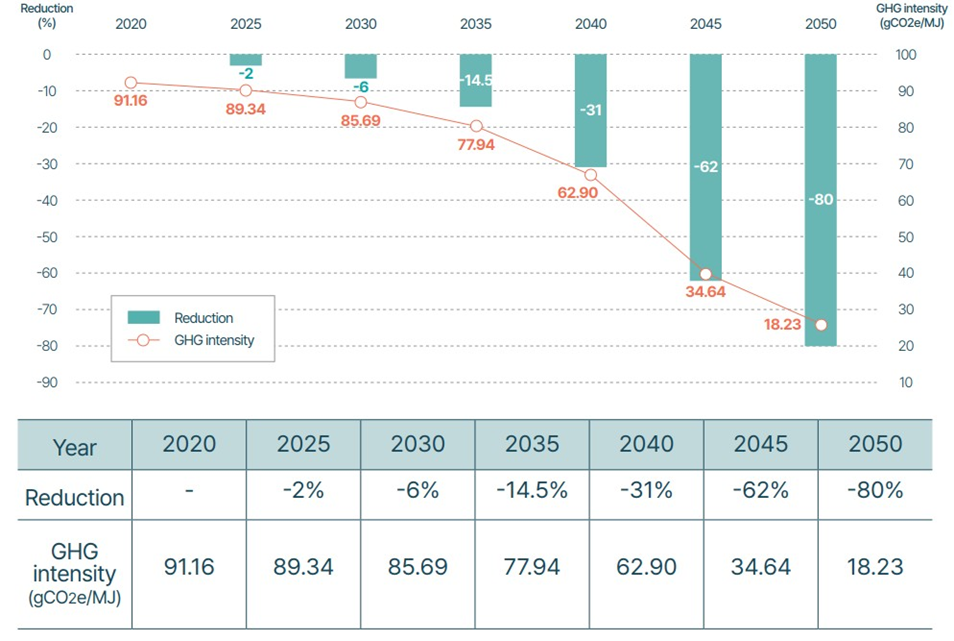
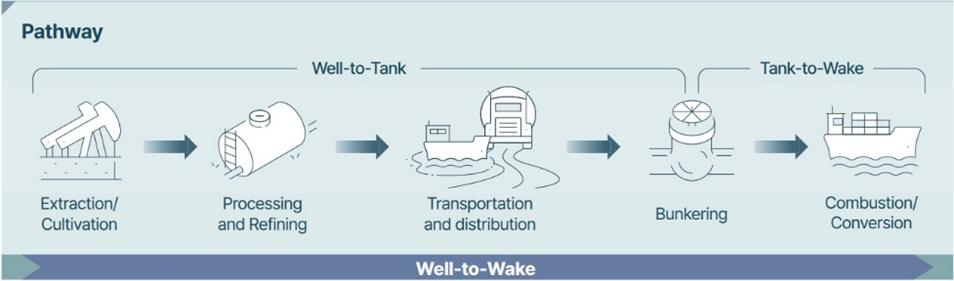
Amid the global momentum toward achieving carbon neutrality, greenhouse gas(GHG) regulations affecting the maritime industry are steadily becoming more stringent. In particular, the FuelEU Maritime regulation, effective since January 2025, highlights a significant shift from conventional approaches that focused primarily on emissions during ship operations. The regulation requires assessing greenhouse gas emissions across the entire fuel life cycle, from production to onboard use.
simple fuel consumption management toward a quantitative evaluation of the actual greenhouse gas reduction effects achieved through the use of alternative fuels.
Well to Wake Pathway 2. About the Software
KR has developed a WtW (Well-to-Wake)–based ship greenhouse gas emissions calculation software to provide technical baseline data for establishing ship-specific regulatory compliance strategies.
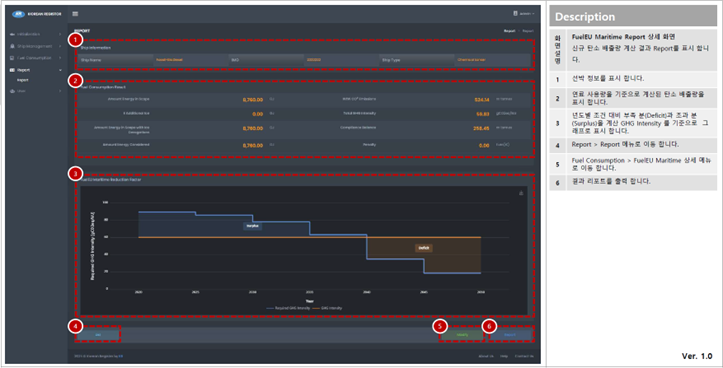
from a WtW perspective when a ship uses various types of fuels, including conventional fossil fuels as well as low- and zero-carbon alternative fuels. ■ Key Features 2) Application of emission factors and regulatory criteria that reflect the requirements of the FuelEU Maritime regulation 3) Intuitive presentation of ship-specific GHG Intensity as well as Compliance Balance (CB) surplus and deficit values 4) System architecture designed to incorporate IMO GFI framework regulation requirements in the future ■ Software Description calculation results with ease and enhance speed.
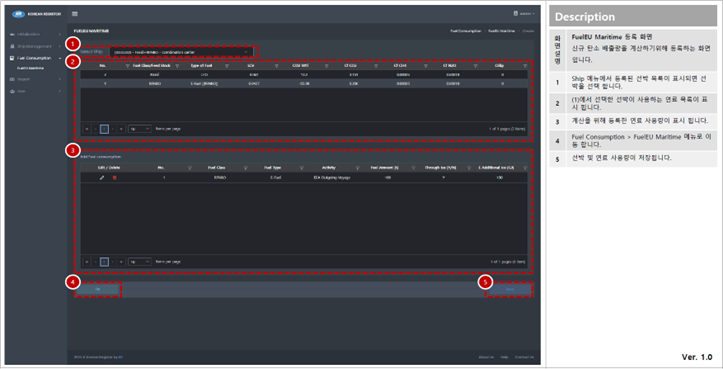
[Login] → [Verification of base factors] → [Ship registration] → [Fuel consumption input] → [Emissions calculation] → [Report review and output].
Fuel consumption input
Output of the emission calculation result 3. Expected Benefits
By providing these results, the software enables shipping companies to anticipate potential cost burdens that may arise during the implementation of the FuelEU Maritime regulation. In addition, by comparing and analyzing various application scenarios for low- and zero-carbon alternative fuels, they can comprehensively assess both the greenhouse gas reduction effects associated with different fuel choices and the overall efficiency of their regulatory compliance strategies.
compliance and serves as an essential decision-making resource for establishing mid-to long-term fuel transition and greenhouse gas reduction strategies. |