-
- Amendments to Conventions Entering into Force on or After 1 January 2026
- SDC 12 - News Flash
- Implementation of Biofouling Management Requirements for Ships Calling at or Operating in Brazilian Waters (Rev.1)
- List of National Operational Contact Points for SOPEP/SMPEP (Latest Update: 30 January 2026)
- Amendments to Conventions Entering into Force on or After 1 January 2026
- SDC 12 - News Flash
- Implementation of Biofouling Management Requirements for Ships Calling at or Operating in Brazilian Waters (Rev.1)
- List of National Operational Contact Points for SOPEP/SMPEP (Latest Update: 30 January 2026)
-
- Amendments to Conventions Entering into Force on or After 1 January 2026
- SDC 12 - News Flash
- Implementation of Biofouling Management Requirements for Ships Calling at or Operating in Brazilian Waters (Rev.1)
- List of National Operational Contact Points for SOPEP/SMPEP (Latest Update: 30 January 2026)
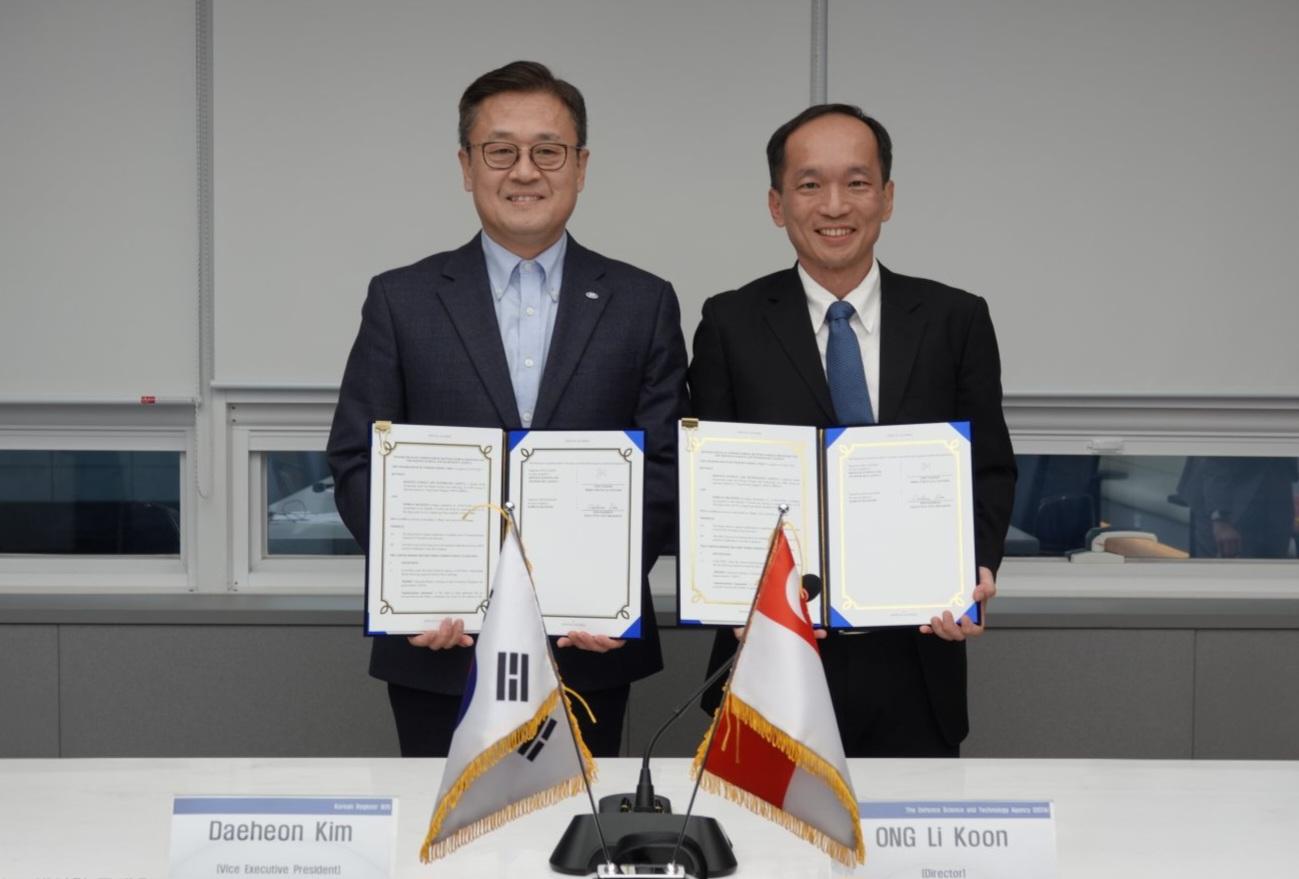
Singapore’s Defence Science and Technology Agency (DSTA) and the Republic of Korea’s Korean Register (KR) have signed a Memorandum of Understanding (MOU) to jointly develop a framework aimed at strengthening verification and validation (V&V) for perception and autonomy technologies used in Unmanned Surface Vessels (USVs).
|