-
- KR Celebrates 66th Anniversary with Well-Attended Technical Seminar
- KR Launches First North Europe Committee and Technical Seminar in Hamburg
- KR Demonstrates Technical Expertise In IMO Deliberations on The Amendments of International Regulation for Gas Carriers
- KR Signs Mou With Microsoft Korea For AI And AX-Driven Digital Classification and Shipbuilding & Maritime Innovation
- KR Demonstrates Technical Expertise In IMO Deliberations On The Amendment Of International Regulations For Gas Carriers
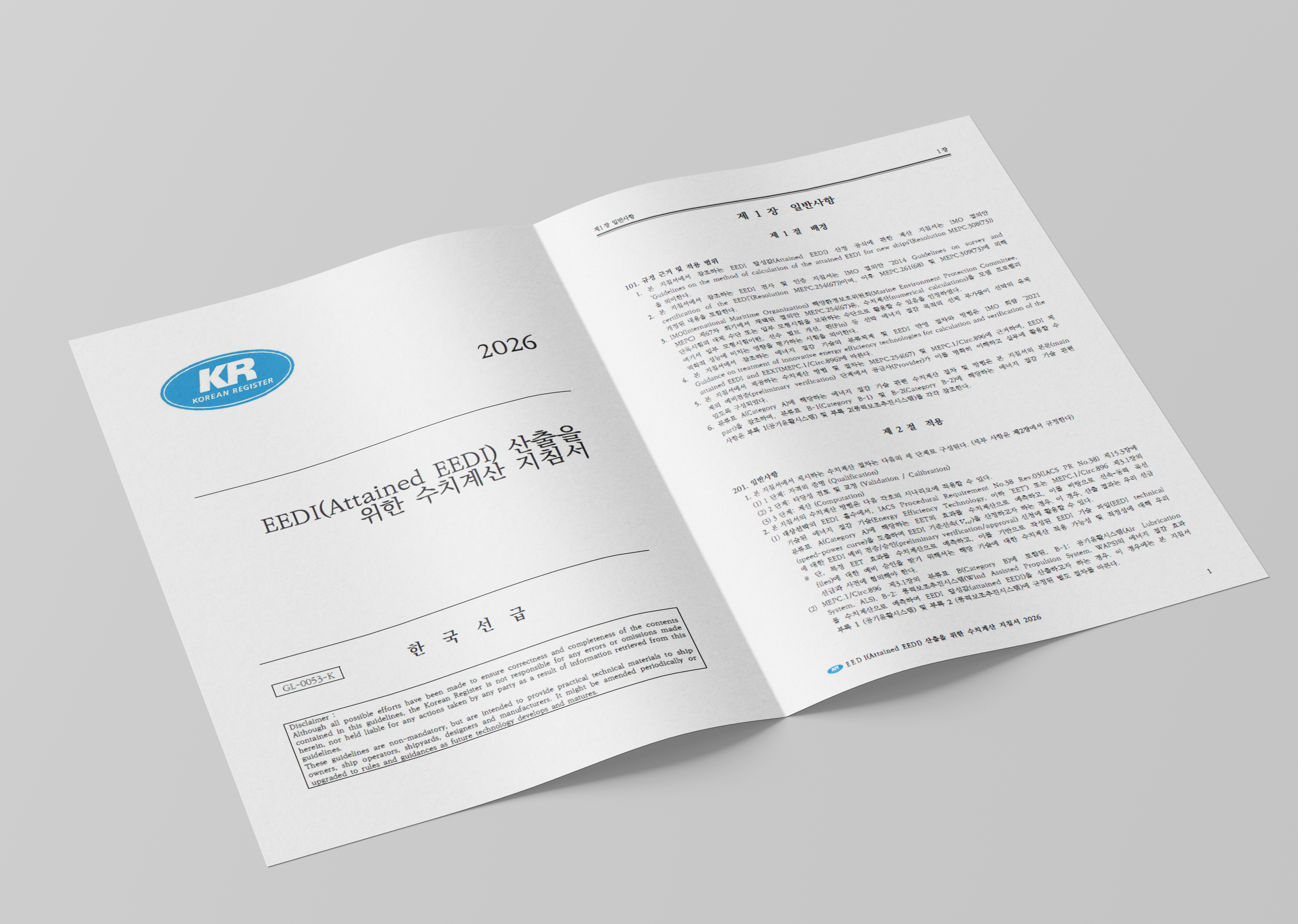
- KR Publishes “Numerical Calculation Guidelines for the Determination of the Attained EEDI” Jointly with HD Hyundai Heavy Industries and Samsung Heavy Industries
- KR and HD Hyundai Samho Complete “AI-Technology-Based Solutions for Innovating Design and Analysis Work”
- KR Leads Technical Verification of Geumyang Shipping’s Electric Hybrid Vessel - Achieves Eco-Friendly Grade 3 Certification
- KR Launches “Integrated Seoul Training” on Shipping Decarbonization
- KR Celebrates 66th Anniversary with Well-Attended Technical Seminar
- KR Launches First North Europe Committee and Technical Seminar in Hamburg
- KR Demonstrates Technical Expertise In IMO Deliberations on The Amendments of International Regulation for Gas Carriers
- KR Signs Mou With Microsoft Korea For AI And AX-Driven Digital Classification and Shipbuilding & Maritime Innovation
- KR Demonstrates Technical Expertise In IMO Deliberations On The Amendment Of International Regulations For Gas Carriers
- KR Publishes “Numerical Calculation Guidelines for the Determination of the Attained EEDI” Jointly with HD Hyundai Heavy Industries and Samsung Heavy Industries
- KR and HD Hyundai Samho Complete “AI-Technology-Based Solutions for Innovating Design and Analysis Work”
- KR Leads Technical Verification of Geumyang Shipping’s Electric Hybrid Vessel - Achieves Eco-Friendly Grade 3 Certification
- KR Launches “Integrated Seoul Training” on Shipping Decarbonization
-
- KR Celebrates 66th Anniversary with Well-Attended Technical Seminar
- KR Launches First North Europe Committee and Technical Seminar in Hamburg
- KR Demonstrates Technical Expertise In IMO Deliberations on The Amendments of International Regulation for Gas Carriers
- KR Signs Mou With Microsoft Korea For AI And AX-Driven Digital Classification and Shipbuilding & Maritime Innovation
- KR Demonstrates Technical Expertise In IMO Deliberations On The Amendment Of International Regulations For Gas Carriers
- KR Publishes “Numerical Calculation Guidelines for the Determination of the Attained EEDI” Jointly with HD Hyundai Heavy Industries and Samsung Heavy Industries
- KR and HD Hyundai Samho Complete “AI-Technology-Based Solutions for Innovating Design and Analysis Work”
- KR Leads Technical Verification of Geumyang Shipping’s Electric Hybrid Vessel - Achieves Eco-Friendly Grade 3 Certification
- KR Launches “Integrated Seoul Training” on Shipping Decarbonization
KR published the "Numerical Calculation Guidelines for the Determination of the Attained EEDI " on May 12 through joint research with HD Hyundai Heavy Industries and Samsung Heavy Industries. The guidelines establish a standard for an evaluation method based on computational fluid dynamics (CFD), replacing the physical model tests that have until now been used to verify a ship's energy efficiency.
|