-
- KR Celebrates 66th Anniversary with Well-Attended Technical Seminar
- KR Launches First North Europe Committee and Technical Seminar in Hamburg
- KR Demonstrates Technical Expertise In IMO Deliberations on The Amendments of International Regulation for Gas Carriers
- KR Signs Mou With Microsoft Korea For AI And AX-Driven Digital Classification and Shipbuilding & Maritime Innovation
- KR Demonstrates Technical Expertise In IMO Deliberations On The Amendment Of International Regulations For Gas Carriers
- KR Publishes “Numerical Calculation Guidelines for the Determination of the Attained EEDI” Jointly with HD Hyundai Heavy Industries and Samsung Heavy Industries
- KR and HD Hyundai Samho Complete “AI-Technology-Based Solutions for Innovating Design and Analysis Work”
- KR Leads Technical Verification of Geumyang Shipping’s Electric Hybrid Vessel - Achieves Eco-Friendly Grade 3 Certification
- KR Launches “Integrated Seoul Training” on Shipping Decarbonization
- KR Celebrates 66th Anniversary with Well-Attended Technical Seminar
- KR Launches First North Europe Committee and Technical Seminar in Hamburg
- KR Demonstrates Technical Expertise In IMO Deliberations on The Amendments of International Regulation for Gas Carriers
- KR Signs Mou With Microsoft Korea For AI And AX-Driven Digital Classification and Shipbuilding & Maritime Innovation
- KR Demonstrates Technical Expertise In IMO Deliberations On The Amendment Of International Regulations For Gas Carriers
- KR Publishes “Numerical Calculation Guidelines for the Determination of the Attained EEDI” Jointly with HD Hyundai Heavy Industries and Samsung Heavy Industries
- KR and HD Hyundai Samho Complete “AI-Technology-Based Solutions for Innovating Design and Analysis Work”
- KR Leads Technical Verification of Geumyang Shipping’s Electric Hybrid Vessel - Achieves Eco-Friendly Grade 3 Certification
- KR Launches “Integrated Seoul Training” on Shipping Decarbonization
-
- KR Celebrates 66th Anniversary with Well-Attended Technical Seminar
- KR Launches First North Europe Committee and Technical Seminar in Hamburg
- KR Demonstrates Technical Expertise In IMO Deliberations on The Amendments of International Regulation for Gas Carriers
- KR Signs Mou With Microsoft Korea For AI And AX-Driven Digital Classification and Shipbuilding & Maritime Innovation
- KR Demonstrates Technical Expertise In IMO Deliberations On The Amendment Of International Regulations For Gas Carriers
- KR Publishes “Numerical Calculation Guidelines for the Determination of the Attained EEDI” Jointly with HD Hyundai Heavy Industries and Samsung Heavy Industries
- KR and HD Hyundai Samho Complete “AI-Technology-Based Solutions for Innovating Design and Analysis Work”
- KR Leads Technical Verification of Geumyang Shipping’s Electric Hybrid Vessel - Achieves Eco-Friendly Grade 3 Certification
- KR Launches “Integrated Seoul Training” on Shipping Decarbonization
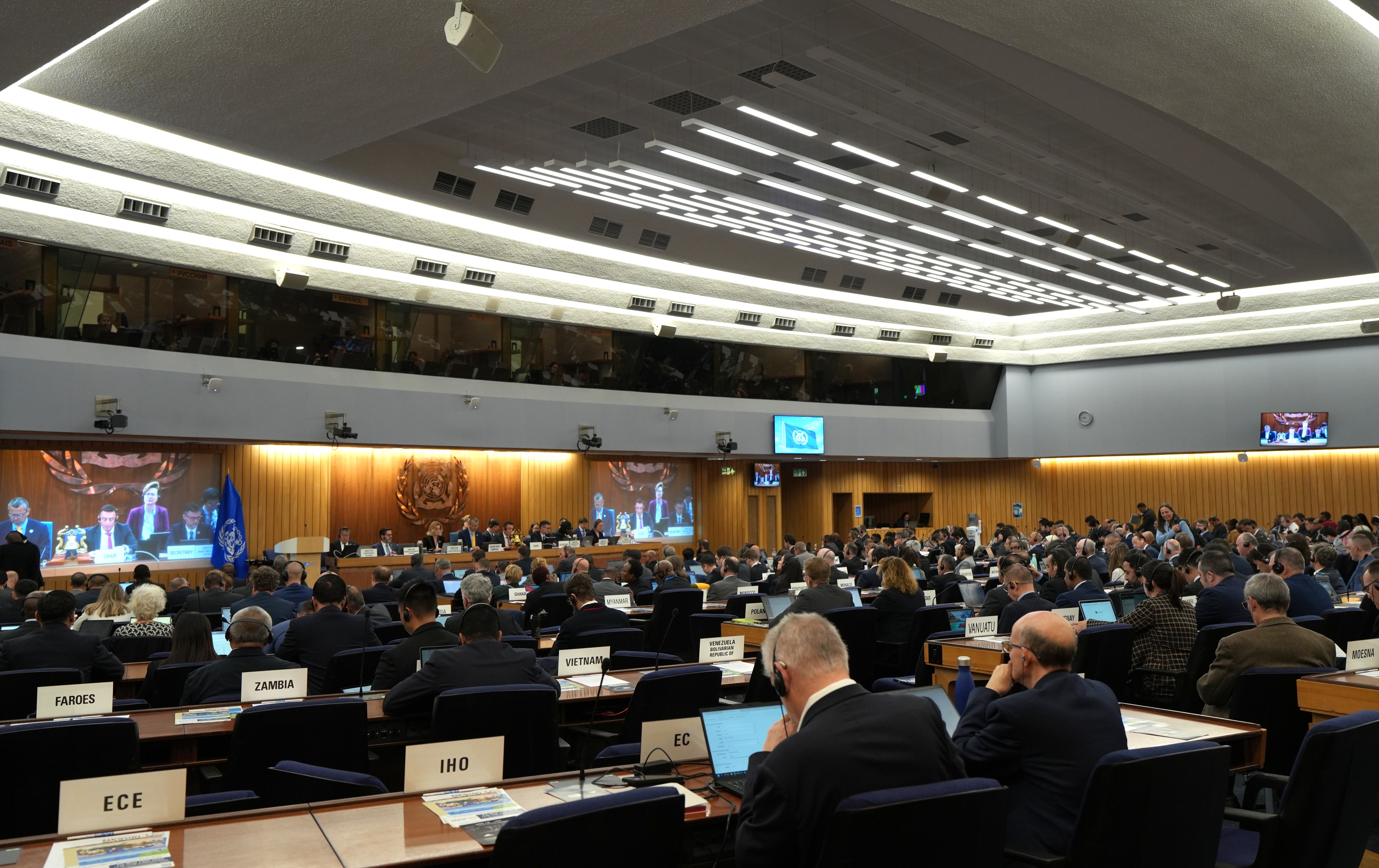
KR announced on May 26 that the amendments to the International Code for the Construction and Equipment of Ships Carrying Liquefied Gases in Bulk (IGC Code) received final approval at the 111th session of the International Maritime Organization's (IMO) Maritime Safety Committee (MSC), held in London from May 13 to 22, with key proposals put forward by KR reflected in the amended text.
|