
-
- KR Publishes 12th Issue of “KR Decarbonization Magazine”
- KR Strengthens Leadership in Autonomous Navigation Technology Through Collaboration with Avikus
- KR Launches Consultative Body for Development of International Standards for Onboard Carbon Capture Systems (OCCS)
- KR Launches First Integrated Seoul Training Program on Shipping Decarbonization
- KR Conducts First Open Recruitment for New and Experienced Employees in 2026
- KR Publishes 12th Issue of “KR Decarbonization Magazine”
- KR Strengthens Leadership in Autonomous Navigation Technology Through Collaboration with Avikus
- KR Launches Consultative Body for Development of International Standards for Onboard Carbon Capture Systems (OCCS)
- KR Launches First Integrated Seoul Training Program on Shipping Decarbonization
- KR Conducts First Open Recruitment for New and Experienced Employees in 2026
-
- KR Publishes 12th Issue of “KR Decarbonization Magazine”
- KR Strengthens Leadership in Autonomous Navigation Technology Through Collaboration with Avikus
- KR Launches Consultative Body for Development of International Standards for Onboard Carbon Capture Systems (OCCS)
- KR Launches First Integrated Seoul Training Program on Shipping Decarbonization
- KR Conducts First Open Recruitment for New and Experienced Employees in 2026
Alternative Fuel Technology Research Team
Kang Soomin
1. Background
At the 80th session of the Marine Environment Protection Committee (MEPC 80) in 2023, the International Maritime Organization (IMO) adopted the “2023 IMO GHG Strategy,” officially committing to achieving net-zero emissions in international shipping by around 2050. Consequently, phased implementation targets were established to reduce carbon intensity by at least 20% (striving for 30%) by 2030 and 70% (striving for 80%) by 2040, compared to 2008 levels.
In particular, the upcoming mid-term measures scheduled for 2027 include a carbon levy on fossil-fueled vessels, making the development of zero-carbon fuel technologies a critical factor for the long-term operational stability of shipping companies. Beyond simply reducing carbon emissions, this serves as a decisive indicator in determining the economic viability of zero-carbon vessels, such as ammonia-fueled ships.
At the recent IMO MEPC 84th session, discussions continued regarding the refinement of Life Cycle Assessment (LCA) guidelines for greenhouse gases and the specific mechanisms for operating a Net Zero Fund. Consequently, it is now critical to closely monitor the direction of international maritime regulations and secure flexible technical response capabilities. In addition, the EU’s FuelEU Maritime regulation is accelerating the shipping industry’s transition to environmentally friendly fuels by enforcing greenhouse gas regulations based on a Well-to-Wake (WtW) perspective, which evaluates the entire life cycle of fuel from production and transport to onboard consumption.
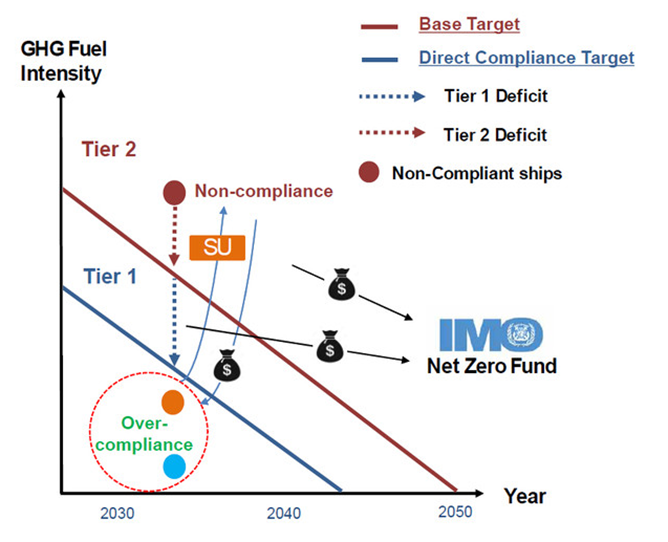
Figure 1. Medium-Term Measures to Reduce GHG Emissions from International Shipping
In this context, ammonia is gaining significant attention as a next-generation fuel in the shipbuilding and shipping industries due to its carbon-free combustion and ease of storage and transport. Furthermore, the International Energy Agency (IEA) “Net Zero by 2050” scenario projects that ammonia will account for approximately 44% of the total maritime fuel consumption by 2050.
However, ammonia is a highly toxic substance capable of causing fatal injury even at exposures as low as 25 ppm. Furthermore, if ammonia slip is released into the atmosphere, it poses a severe threat to crew safety and port ecosystems. Therefore, developing effective aftertreatment technologies to control these emissions is essential for the practical use of ammonia-fueled vessels.
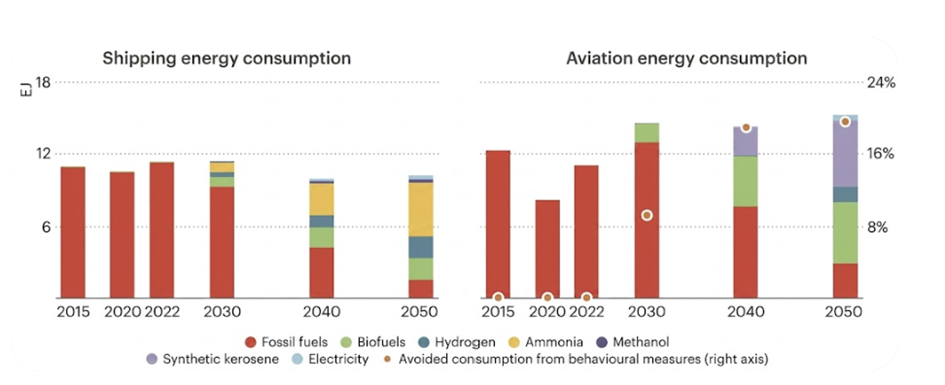
Figure 2. Net Zero by 2050 Scenario (IEA)
2. Performance Verification of the Microwave-Assisted Catalyst Heating
and Integrated Exhaust Gas Aftertreatment System
2.1 Technology Overview: Microwave-Assisted Catalyst Heating System
To ensure that an ammonia aftertreatment system achieves its intended performance, precise control of the catalyst activation temperature is essential. However, because ammonia engines tend to generate lower exhaust gas temperatures than conventional diesel engines, specialized heating technologies are required to compensate for this thermal deficiency.
Unlike conventional DOC- or burner-based systems, the microwave-assisted catalyst heating system utilized in this demonstration directly heats the catalyst using electrical signals. This approach enables efficient catalyst activation, thereby maximizing ammonia reduction efficiency even under low-temperature exhaust conditions.
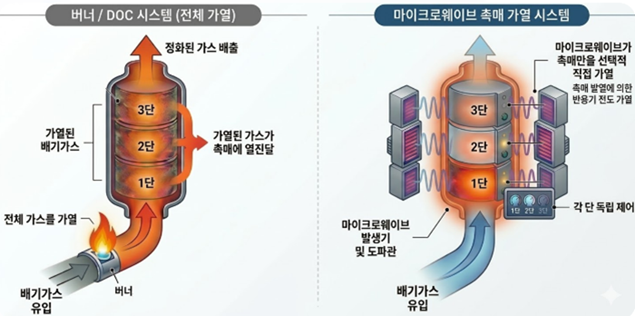
Figure 3. Comparison of Aftertreatment Systems:
Conventional Burner/DOC vs. Microwave-Assisted Heating
2.2 Performance Evaluation Infrastructure
To evaluate the performance of the Microwave-Assisted Catalyst Heating and Integrated Exhaust Gas Aftertreatment System, the ammonia fuel storage and supply system at the KR Green Ship Test & Certification Center (TCC) was utilized. To maximize the reliability of the measurement data, high-precision analytical instruments were employed, including a Fourier Transform Infrared (FTIR) spectrometer for multi-component gas analysis and a Quantum Cascade Laser (QCL-IR) spectrometer.
Additionally, an e-Diluter system was installed to ensure accurate measurement even during high-concentration ammonia slip events, thereby establishing a reliable foundation for performance evaluation.
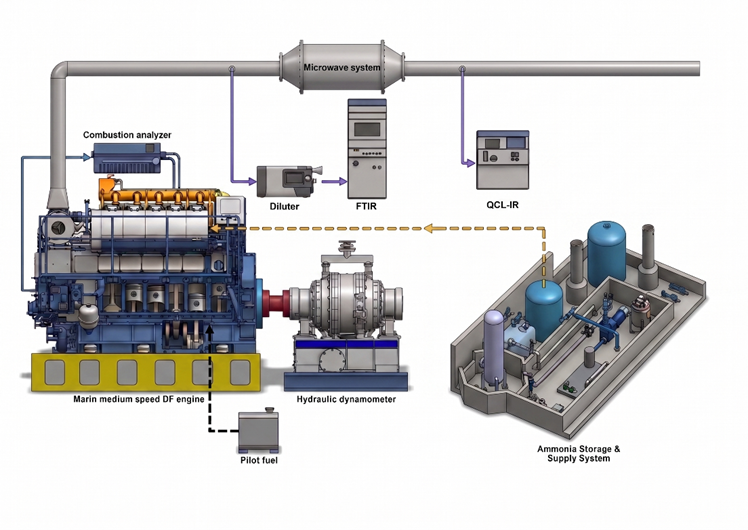
Figure 4. Schematic Diagram of the Performance Evaluation Infrastructure for the Microwave-Assisted Catalyst Heating System
2.3 Demonstration of the Microwave-Assisted Catalyst Heating and Integrated Exhaust Gas Aftertreatment System
The Microwave-Assisted Catalyst Heating and Integrated Exhaust Gas Aftertreatment System was jointly developed by EcoPro HN under the leadership of HD Korea Shipbuilding & Offshore Engineering (HD KSOE), with performance development and verification conducted at the KR TCC. Based on these efforts, a technology demonstration was conducted to evaluate the system’s performance. During the demonstration, the system’s effectiveness was tested by simulating high levels of ammonia slip that may occur during actual engine operation.
The results confirmed outstanding performance, achieving an ammonia slip reduction ratio of over 99.7%.
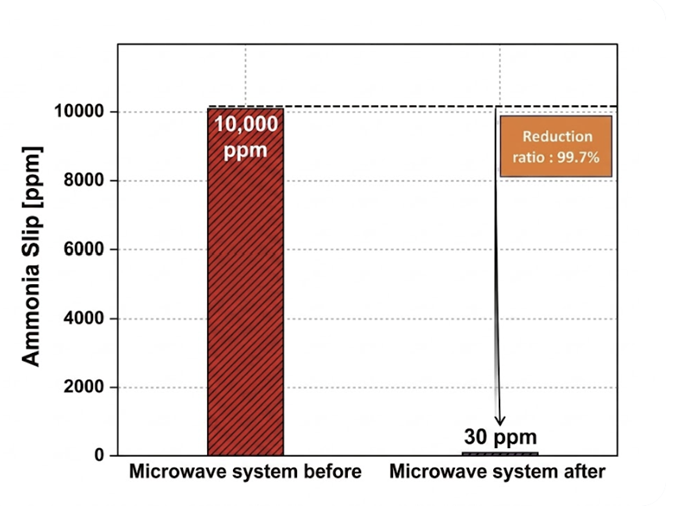
Figure 5. Ammonia Slip Reduction Performance Graph of the Microwave-Assisted System
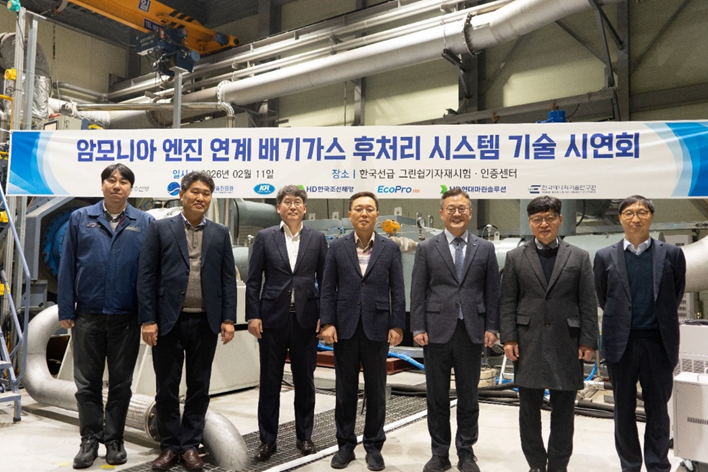
Figure 6. Technology Demonstration of the Microwave-Assisted Catalyst Heating and Integrated Aftertreatment System
3. Summary and Future Plans
KR TCC has successfully secured performance verification capabilities for aftertreatment systems, a core safety technology for the commercialization of ammonia-fueled vessels. By actively utilizing the established ammonia supply infrastructure and exhaust gas analysis systems, the center plans to continue research and development on key components for ammonia-fueled vessel engines. Furthermore, the center aims to strengthen technical support for the maritime industry to facilitate the transition to sustainable shipping.
In particular, the application of this microwave-assisted catalyst heating technology will be expanded to LNG-fueled vessels to address the issue of methane slip, which serves as a key regulatory consideration under EU standards. Because methane has a significantly higher global warming potential than carbon dioxide, the center plans to support shipping companies in complying with increasingly stringent life-cycle environmental regulations through precise verification of methane slip systems and the provision of reduction technologies.
Furthermore, by expanding its technical expertise to various dual-fuel (DF) engines, the center aims to actively support the transition to zero-carbon vessels while helping the domestic shipbuilding industry maintain its global technological leadership.